By: Mustapha Gambo Muhammad
The Centre for Awareness on Justice and Accountability (CAJA) has expressed deep concern over the lack of standard laws against sexual harassment in tertiary institutions, highlighting the alarming prevalence of such incidents in Nigerian universities.
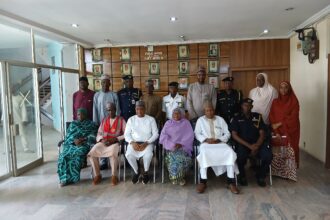
At the project inception meeting in Kano on Tuesday, CAJA’s Executive Director, Kabiru Dakata, stated that the meeting aimed to introduce and overview a new project amplifying the voices of sexual harassment survivors in tertiary and secondary schools.
He stressed the need for robust legal frameworks to tackle sexual harassment, citing the organization’s experience handling complaints from student survivors.
He added that the six-month project will be implemented by CAJA and sponsored by the Nigerian Women Trust Fund, noting that students of tertiary institutions will be targeted because according to him, they are victims and survivors of the dastardly act.

Mr. Dakata said, participants including students, government officials, journalists and CAJA’s team, engaged in robust discussions on sexual harassment in tertiary institutions.
The Executive Director, maintained that, “sexual harassment is a wide concept but very few students know about it. It is very common between lecturers to students, non academic officials to students and fellow students.
The Executive Director maintained that “sexual harassment is a broad concept, but few students understand it. It’s prevalent between lecturers and students, non-academic staff and students, and even among fellow students.”
Mr. Dakata highlighted that the objectives of the project were to empower survivors to become advocates against sexual harassment, enlighten students in all tertiary institutions on the causes, effects, and preventive measures of sexual harassment, and engage heads of tertiary educational institutions to effectively implement policies against sexual harassment.
Earlier in her slide presentations, titled ‘Understanding the Concept of Sexual Harassment in Educational Institutions Barrister Maryam A. Ahmad spoke on the sexual harassment concept, prevalence, reporting mechanisms, causes, consequences and preventive strategies.
She stressed that without prescribed laws by the educational institutions, the fighting will be very difficult, insisting that sexual harassment policies contained in students’ hand bills or staff code of conduct don’t enough to fight the crusade.
Justice Watch News earlier report that to combat this menace, CAJA has formed an Anti-Sexual Harassment Advocacy Cluster, a consortium of civil society organizations working collaboratively to address the problem.
The group is urging President Bola Tinubu to assent to the Sexual Harassment in Tertiary Institutions (Prohibition) Bill, which provides clarity on the relationships between students and educators, outlines grievance procedures and specifies penalties for offenders.
By assenting to this bill, the President would be taking a crucial step towards safeguarding the rights and dignity of students in Nigerian tertiary institutions.