By: Sandra Udeike
A Nigerian activist, Bishir Dauda, has embarked on a 50-day road trip across West Africa to celebrate the 50th anniversary of the Economic Community of West African States (ECOWAS). On Tuesday, he arrived in Cotonou, Benin Republic, marking a significant stop in his journey.
Speaking in an earlier interview with the News Agency of Nigeria (NAN), Dauda explained that his road trip, which commenced on April 1, was his unique way of honoring ECOWAS’ golden jubilee and engaging with citizens across member states.
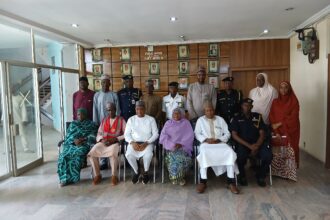
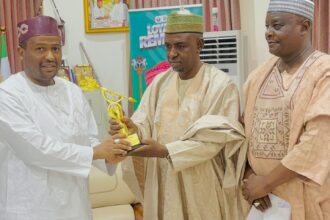
Upon reaching Cotonou, Dauda first visited the ECOWAS Resident Representative’s office, where he was warmly received by officials. He later held an extensive discussion with representatives of civil society groups, youth organizations, and ordinary citizens about the achievements and challenges of ECOWAS over the past five decades.
According to Dauda, the people of Benin Republic acknowledged ECOWAS’ contributions in various sectors, particularly in fostering regional integration. They praised the bloc for its role in enabling free movement of people and goods, harmonizing trade tariffs, promoting tourism and sports, providing humanitarian aid, conducting peacekeeping missions, and strengthening democracy and governance across West Africa.
However, they also expressed concerns about pressing issues threatening the bloc’s stability. These included unconstitutional changes of government, tenure elongation by some leaders, electoral fraud, violations of ECOWAS treaties and protocols, weak governance, and democratic backsliding in member states.
The discussions also touched on the need for ECOWAS to fast-track the launch of the ECO, the region’s single currency, by 2027 as previously promised. Additionally, citizens called for continued dialogue with Burkina Faso, Mali, and Niger, urging the Sahel states to reconsider their exit from the bloc in the interest of African unity and regional integration.
Dauda emphasized that many citizens advocated for ECOWAS to strengthen its enforcement of the Supplementary Protocol on Democracy and Good Governance, alongside other key treaties. There was also a strong push for more initiatives aimed at empowering youth, women, and persons with disabilities.
Security remained a major concern, with calls for the full operationalization of the ECOWAS Standby Force to tackle terrorism, insurgency, and armed conflicts plaguing the region. Many also voiced their support for ECOWAS’ flagship projects, including the Lagos-Abidjan Highway and the West African Power Pool, which are expected to enhance connectivity and economic development.
“The people of West Africa have emphasized the need for sustained peace and unity,” Dauda noted. “They urged all stakeholders to act as ambassadors of peace to ensure stability and progress across the region.”
His journey, continues as he engages with more West African communities to assess their views on ECOWAS’ past, present, and future.