By Mustapha Gambo Muhammad
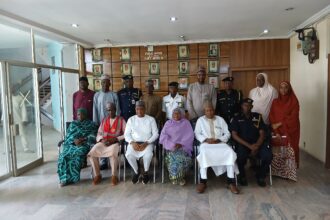
Representatives of the Kano Justice for Children Committee (J4C) and the Rule of Law and Anti-Corruption Programme Phase II (RoLAC II) convened on Thursday at the UNICEF Kano office to deliberate on key strategies for the smooth implementation of the Diversion Program in Kano State.
The meeting followed recent study tours to Lagos, where both groups examined successful models of diversion programs. Sponsored by UNICEF and RoLAC, the tours provided participants with firsthand insights into how diversion initiatives can strengthen child justice systems and reduce reliance on punitive measures.
Abdullahi Ibrahim Muhammad, Director of Public Prosecution (DPP) and a member of the Justice for Children Committee, described the session as “a fruitful meeting sequel to our visitation to Lagos State study tour on diversion program sponsored by UNICEF. The meeting was a joint effort with other visitations sponsored by RoLAC.”
He explained that the central aim of the meeting was to harmonize the efforts of both UNICEF-sponsored and RoLAC-sponsored groups to avoid duplication and ensure a unified approach.
He added that at the meeting participants discussed lessons learned, identified gaps, and charted a way forward for effective implementation in Kano.
According to him, one major consensus reached was the establishment of a Steering Committee to oversee diversion implementation, noting that the committee will focus on inter-agency collaboration, monitoring progress, engaging stakeholders, and supporting policy development.
Fatima Adamu, Child Protection Specialist at UNICEF, stated that the findings from the Lagos study tours will “enhance the smooth implementation of the diversion program in Kano without contradicting or duplicating efforts by the two groups.”
Mallam Ibrahim Bello, Kano Team Leader of RoLAC II, added that “identifying the key areas to work together will further enhance the smooth implementation of diversion policy in Kano, aimed at strengthening justice for children.”
Diversion programs are designed to redirect children in conflict with the law away from formal judicial proceedings and detention, offering alternatives such as counseling, community service, or rehabilitation. These initiatives are widely recognized for reducing re-offending rates, protecting children’s rights, and promoting restorative justice.
By learning from Lagos State’s experience, Kano stakeholders hope to replicate best practices while tailoring them to local realities. The collaboration between UNICEF and RoLAC reflects a broader commitment to child justice reform in Nigeria, ensuring that children are treated fairly and given opportunities for rehabilitation rather than punishment.
The meeting concluded with a shared commitment to establish the Steering Committee and begin coordinated action plans. Both groups pledged to continue working closely, leveraging their respective strengths to ensure that the Diversion Program becomes a cornerstone of child justice in Kano State
Representatives of the Kano Justice for Children Committee (J4C) and the Rule of Law and Anti-Corruption Programme Phase II (RoLAC II) convened today Thursday at the UNICEF Kano office to deliberate on key strategies for the smooth implementation of the Diversion Program in Kano State.
The meeting followed recent study tours to Lagos, where both groups examined successful models of diversion programs. Sponsored by UNICEF and RoLAC, the tours provided participants with firsthand insights into how diversion initiatives can strengthen child justice systems and reduce reliance on punitive measures.
Abdullahi Ibrahim Muhammad, Director of Public Prosecution (DPP) and a member of the Justice for Children Committee, described the session as “a fruitful meeting sequel to our visitation to Lagos State study tour on diversion program sponsored by UNICEF. The meeting was a joint effort with other visitations sponsored by RoLAC.”
He added that the central aim of the meeting was to harmonize the efforts of both UNICEF-sponsored and RoLAC-sponsored groups to avoid duplication and ensure a unified approach. Participants discussed lessons learned, identified gaps, and charted a way forward for effective implementation in Kano.
According to the DPP, one major consensus reached was the establishment of a Steering Committee to oversee diversion implementation.
The committee will focus on inter-agency collaboration, monitoring progress, engaging stakeholders, and supporting policy development.
Fatima Adamu, Child Protection Specialist at UNICEF, stated that the findings from the Lagos study tours will “enhance the smooth implementation of the diversion program in Kano without contradicting or duplicating efforts by the two groups.”
Mallam Ibrahim Bello, Kano Team Leader of RoLAC II, added that “identifying the key areas to work together will further enhance the smooth implementation of diversion policy in Kano, aimed at strengthening justice for children.”
Justice Watch News gathered that Diversion programs are designed to redirect children in conflict with the law away from formal judicial proceedings and detention, offering alternatives such as counseling, community service, or rehabilitation.
These initiatives are widely recognized for reducing re-offending rates, protecting children’s rights, and promoting restorative justice.
By learning from Lagos State’s experience, Kano stakeholders hope to replicate best practices while tailoring them to local realities. The collaboration between UNICEF and RoLAC reflects a broader commitment to child justice reform in Nigeria, ensuring that children are treated fairly and given opportunities for rehabilitation rather than punishment.
The meeting ended with a shared commitment to establish the Steering Committee and begin coordinated action plans.
Both groups pledged to continue working closely, leveraging their respective strengths to ensure that the Diversion Program becomes a cornerstone of child justice in Kano State.
[contact-form][contact-field label=”Name” type=”name” required=”true” /][contact-field label=”Email” type=”email” required=”true” /][contact-field label=”Website” type=”url” /][contact-field label=”Message” type=”textarea” /][/contact-form]